
Why Missouri should stop shielding police misconduct from public view

Amid a fear of rising crime, some public officials are calling for even more resources into a fatally flawed system. Ben Jealous argues that would be a terrible mistake (Scott Olson/Getty Images).
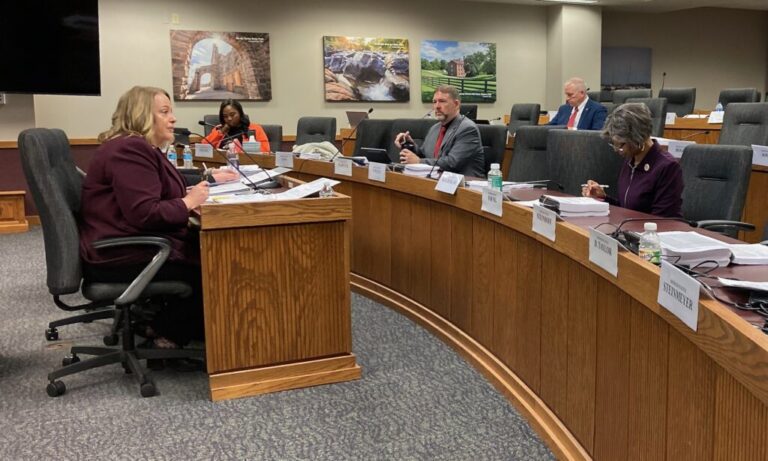
The State Police Board quashed St. Louis Mayor Spencer’s plans for a revamped civilian review board for police misconduct. The board, which now runs the city’s police department, concluded that such review is illegal under Missouri’s 2021 “Police Officer Bill of Rights.”
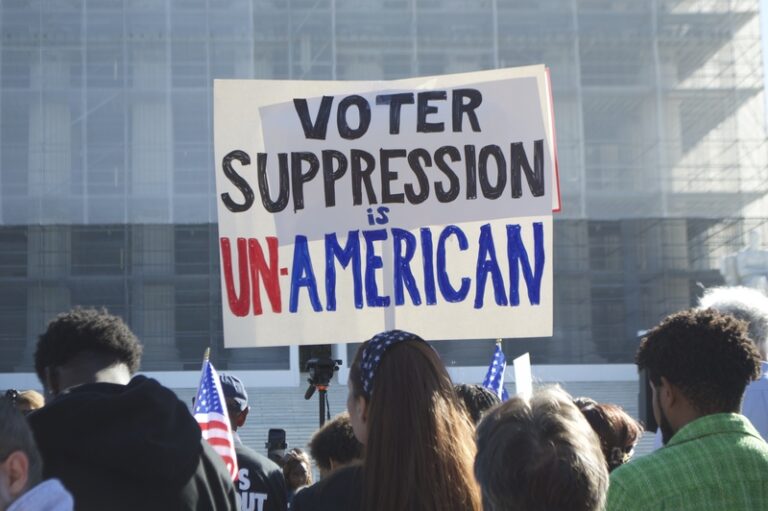
The bill of rights, among other things, requires that police misconduct investigations remain confidential in the absence of a subpoena or court order. Civilian review allows for the public to have insight into how police misconduct is investigated and punished, and advocate for change when those processes are found lacking.
Communities harmed the most by crime and violence do not want less policing — they want better policing. But police cannot operate effectively without the trust of their communities: people will not report crime or cooperate in investigations when police are a source of fear rather than comfort.
A 2025 Gallup poll suggests that trust in policing — which decreased in aftermath of the George Floyd murder and other high-profile police misconduct — has begun to rise again. Among Black Americans, who report significantly lower trust in police overall, confidence in local police rose 9 percentage points between 2022 and 2024. Policing reform – including civilian oversight boards and other transparency measures, such as public dashboards, may be contributing to the positive trend.
As one of the first states to adopt a “right to know law” – known as the Sunshine Law – in 1973, Missouri legislators have long recognized our rights to know how our tax dollars are spent. Until recently, police misconduct records, even those in internal discipline, were subject to Sunshine Law disclosure.
In 2021, the Republican majority passed the Police Officer Bill of Rights on a party-line vote. Among other provisions, the bill of rights carves out a special exemption to the Sunshine Law for police officers, shielding administrative investigation files from disclosure except via subpoena or court order.
Yet, transparency need not be a partisan issue, nor a fight between “Back the Blue” and social justice advocates. Other conservative-leaning states provide greater insight into police misconduct than Missouri.
For example, Arizona — along with 11 other states — publishes an “integrity bulletin” with de-identified information about completed officer misconduct investigations, including a summary of the offense and sanction imposed.
Opponents of citizen review raise concerns about privacy, particularly for officers who were accused but not found guilty of misconduct. But transparency cannot be constrained to confirmed cases of misconduct, given that the investigations often drag on for years. The public must be persuaded that alleged misconduct is investigated thoroughly and urgently, that determinations are just, and that sanctions are appropriately administered.
Even following a criminal conviction, Missouri police officer licenses are not automatically revoked. A 2025 report found that police officers frequently remain on the job – or transfer to other police departments – after allegations of egregious misconduct.
In an illustrative 2023 case, a St. Louis police officer ran his car into a south city bar and lied about the circumstances. Once inside, the officer allegedly beat up one of the bar’s co-owners and arrested the other co-owner on dubious charges. Attorneys for the bar owners repeatedly stonewalled in their requests for officer personnel records, until it was eventually revealed that the officer had a “substantial history of misconduct.”
Only after significant media attention was the officer forced out of the department.
There are well-established practices for de-identifying records that do not shield publicly funded agencies from media and public scrutiny. For example, several states, including Florida and Tennessee, issue detailed reports assessing violations of policy or regulation by child protection agencies surrounding suspicious child deaths that redact employee names.
Given their expansive powers over our lives and freedoms, police must be held to high standards – and we cannot simply take the word of the involved agencies that these standards are enforced. Transparency and accountability facilitate, rather than interfere with, public safety.
Following the lead of other states, the Missouri legislature should modify the Police Officer Bill of Rights to allow for commonsense transparency, including disclosure and review of deidentified internal investigation records.