Missouri families are paying a heavy toll for outrageous drug prices

Big Pharma owes us honesty and transparency. Then it needs to get serious about making medicines affordable (Michael Achterling/North Dakota Monitor).
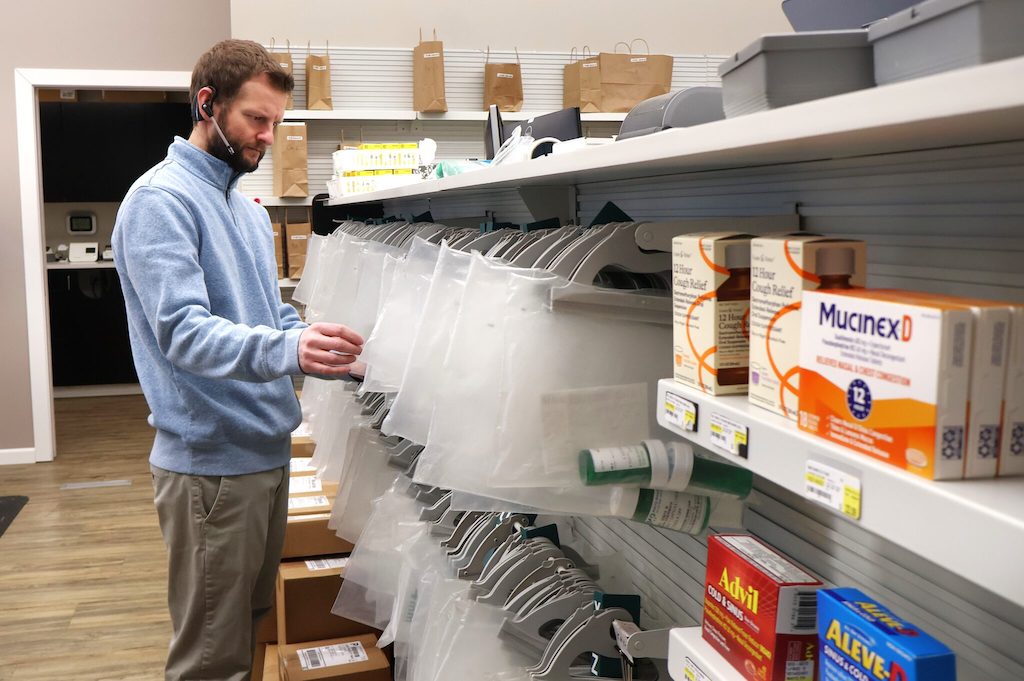
Every month, I get a sinking feeling as I walk into the pharmacy. I’m a mom of three looking after kids with complex medical needs, as well as my own, so I’m a familiar face there.
I hold my breath as the medicines are rung up, because I never know what price I’ll be paying this time around. I’ve already spent weeks working out whether it’s cheaper to use insurance or pay for the drugs myself, using discount codes painstakingly collected throughout the month.
My family’s needs aren’t simple, and I’m not alone. My children take multiple medications, on different schedules, for different conditions, which means there’s no single bill, no predictable total, and no easy way to budget month to month.
I don’t consider myself unique in this situation. All this coordination is hard work, but I manage it. And if all these calculations and drives and contingency plans can unnerve even me sometimes, I can’t imagine how they must intimidate Americans on the margins, like the unhoused, or those reeling from a death or the loss of a job. Then it gets impossible.
The stress of high drug prices is brutal. But the uncertainty is even worse. Prices seem to keep going up, without warning or explanation. In Missouri and across the country, gigantic pharmaceutical corporations price their drugs in a way that is opaque, unpredictable, and completely disconnected from what families can realistically afford. If you don’t find a way to “game the system” with constant cost comparisons or some other workaround, you risk being left on the side of the road.
In the opening days of 2026, pharma companies raised prices on more than 850 drugs, even amid a lot of fanfare about price-cutting deals with Washington. That included treatments for cancer and heart failure, as well as medications used for chronic conditions like type 2 diabetes.
That news hit hard. We weren’t given a reason. There was no justification, no explanation of rising costs or new research. Families like mine were simply told, once again, to pay more – when Americans already face the highest drug prices of any wealthy nation in the world. Meanwhile, specialty drugs and medications for chronic conditions pile enormous costs on patients who cannot simply walk away.
This instability is the inevitable result of a system that allows drug manufacturers to set launch prices however they like and then raise them year after year while blaming everyone else. Sometimes we hear that pharmacies are the reason drugs cost so much. Then we’re told it’s middlemen, insurers, regulators, and even other countries. None of that is true.
Working women and men don’t set drug prices. The drug companies make those decisions, leaving families like mine no choice but to pay. The complexity and unpredictability of the system is a feature, not a bug. Confusion obscures accountability – the one thing Big Pharma seems determined to avoid.
Families are forced into debt, stress, and impossible trade-offs while pharmaceutical companies report huge margins. We are told this is just how the market works. But if this is all we can expect from the market, then the market is not good enough. Not when working families have to trim their grocery budgets to accommodate an inflated prescription.
If pharmaceutical companies insist on hiking prices, they should also be held accountable for the consequences of those decisions. Families deserve transparency, real competition, and a system that doesn’t require coupons, hacks, or constant anxious vigilance just to stay healthy.
Parents should not have to brace themselves before approaching a pharmacy counter. No family should have to hold their breath to find out whether they can afford the medicine that keeps their children well. Something needs to change – and we need to be honest about whom to blame and what to do about it.
Big Pharma owes us honesty and transparency. Then it needs to get serious about making medicines affordable. Because in America, human beings’ health should weigh more than the profits of big drug companies .