
Missouri’s income tax amendment risks higher costs and fewer services for seniors

Missouri lawmakers don’t need a constitutional amendment to cut income taxes — they’ve been doing that for decades. The purpose of the constitutional amendment is something different: it opens the door to new taxes on goods and services by bypassing long‑standing prohibitions on taxing real estate, health care and agriculture (Tim Carpenter/Kansas Reflector).
A proposed constitutional amendment approved earlier this month by the Missouri House would trigger sweeping tax increases and deep cuts to essential services, especially for older Missourians.
For years, AARP has worked with the General Assembly to deliver meaningful, targeted tax relief for older adults. Together, we’ve modernized and expanded eligibility for the circuit breaker program, allowed local governments to freeze property taxes for seniors and eliminated state taxes on Social Security benefits and equivalent public pension income.
At the same time, Missouri has made real progress in helping people age in their homes and communities. The state has expanded access to home‑ and community‑based services, increased home‑delivered meals and strengthened public transportation options—investments that improve quality of life while saving taxpayer dollars by reducing reliance on long‑term care facilities.
The proposed constitutional amendment aimed at eliminating the income tax would put all that progress at risk.
The current budget proposal already includes an 84% cut to public transportation funding. That would leave Missouri covering only 3% of the federal match — an outcome that would devastate rural transit providers. The budget also anticipates freezes to skilled home care services, with additional cuts expected as temporary pandemic funds expire and federal dollars tighten under the Big Beautiful Bill Act.
Eliminating the personal income tax would blow a $9 billion hole in the state budget in today’s dollars. Missouri lawmakers don’t need a constitutional amendment to cut income taxes — they’ve been doing that for decades. The purpose of the constitutional amendment is something different: it opens the door to new taxes on goods and services by bypassing long‑standing prohibitions on taxing real estate, health care and agriculture.
For older Missourians who rely on Social Security, eliminating the income tax provides no benefit. Instead, they would face higher taxes on nearly everything they buy and every service they use — from doctor visits to haircuts to chiropractic care. And because it would effectively dismantle the modernized circuit breaker tax credit, many low‑ and middle‑income seniors and disabled veterans would see their property taxes rise as well.
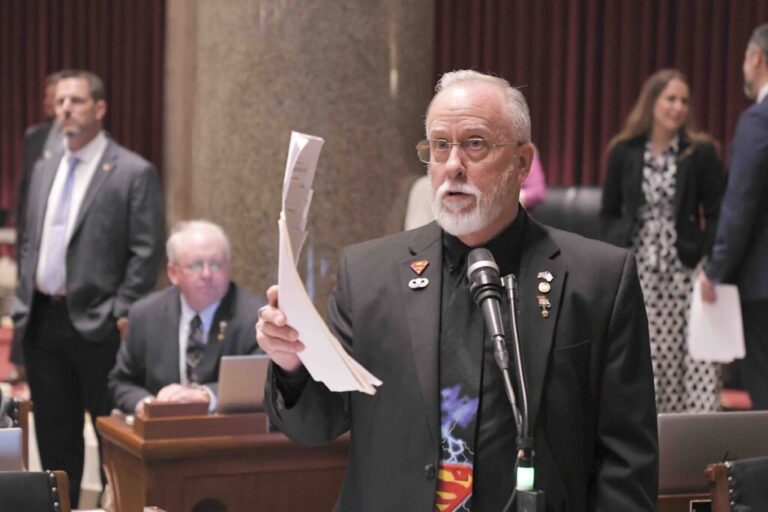
During House debate, state Rep. Bishop Davidson noted that future legislatures would not be required to raise taxes at all. Yet the amendment’s triggers would continue cutting income taxes regardless of whether the $9 billion gap is ever addressed. Under that scenario, roughly 65% of state spending would have to be eliminated.
Cuts of that magnitude would touch every service and every constituency in Missouri.
Older Missourians remember what happened the last time the state made deep, across‑the‑board cuts. In the early 2000s, eligibility for seniors and people with disabilities was slashed so severely that it still has not been fully restored more than two decades later.
The message the proposed amendment sends to retired Missourians is stark: expect higher taxes, higher costs for daily expenses and the services you rely on will be cut.
AARP Missouri will remain fully engaged throughout the legislative session to ensure older Missourians are not harmed by this legislation. We will work with lawmakers, share clear analysis and mobilize our members to protect essential services and prevent new financial burdens on people living on fixed incomes.
Older Missourians deserve stability and security — and we will fight to safeguard both.