Missouri early education deserves better than a clickbait ranking

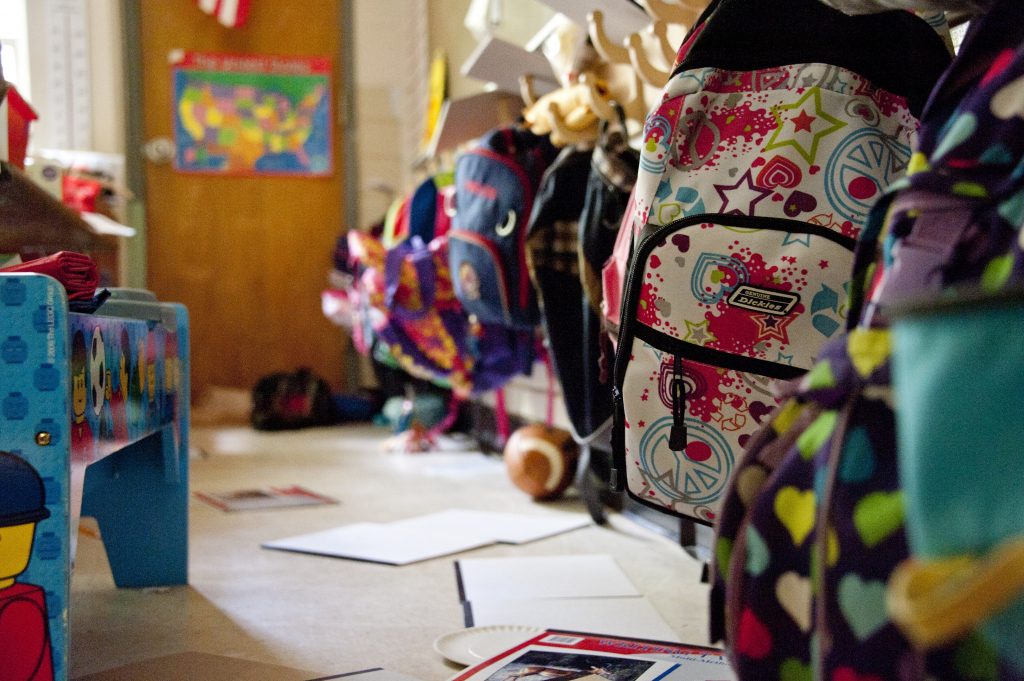
Missouri is one of just a few states with pre-K funding embedded in its K–12 foundation formula (Photo courtesy of CDC/ Amanda Mills).
A recent WalletHub ranking labeled Missouri’s early education system the “worst in the nation,” based on data from the National Institute for Early Education Research (NIEER).
The problem? That label is based not on what’s happening in classrooms, but on what’s codified in state regulations.
In other words, Missouri scored low not because we lack quality but because our high standards are voluntary, locally driven, incentive-based, and not mandatory.
Missouri’s approach to early learning reflects our values: local control, strategic investment and a belief that collaboration works better than top-down mandates. And that approach is working.
Missouri is one of just a few states with pre-K funding embedded in its K–12 foundation formula. That means our funding is stable, predictable and less vulnerable to political swings or annual budget battles. We don’t rely solely on grants or pilot programs; we’ve made early learning part of the core school funding system.
We’ve also invested in the Missouri Quality Pre-Kindergarten Grant Program, which supports both school districts and private providers. This program incentivizes quality by providing additional funding tied to strong standards based on state statute. It has allowed rural districts and community partners to launch or expand pre-K programs, even in places where resources were once scarce.
Former Gov. Mike Parson created the Office of Childhood to consolidate programs for early learning, child care and family support under one roof. This action allows the state to move towards delivering better coordinated services. While implementation has had its challenges, the potential for reducing silos and improving outcomes remains strong.
We also use a kindergarten entry assessment to understand how prepared students are when they arrive at school, arguably the best real-world indicator of the effectiveness of early learning experiences. This kind of data tells us what’s working and needs improvement, rather than relying solely on policy checklists.
And with our innovative contracting law, Missouri is one of the only states that allows public schools and private providers to formally partner in delivering pre-K. That flexibility is critical in rural and under-resourced areas, where one-size-fits-all models often fall short.
WalletHub may base its rankings on real data, but it tells only part of the story. NIEER’s benchmarks reward what is required, not what is offered or achieved.
In Missouri, we’ve chosen to build a system that rewards participation and performance rather than compliance. Our programs meet high standards and are expanding every year, but because those standards are not mandatory statewide, we don’t get credit in the rankings.
Missouri’s ranking at the bottom of the WalletHub list reflects a methodology prioritizing mandates over actual program quality. Still, we don’t need mandates to deliver high-quality early learning across the state.
In the Show-Me State, we don’t just say we’re making progress. We show you.